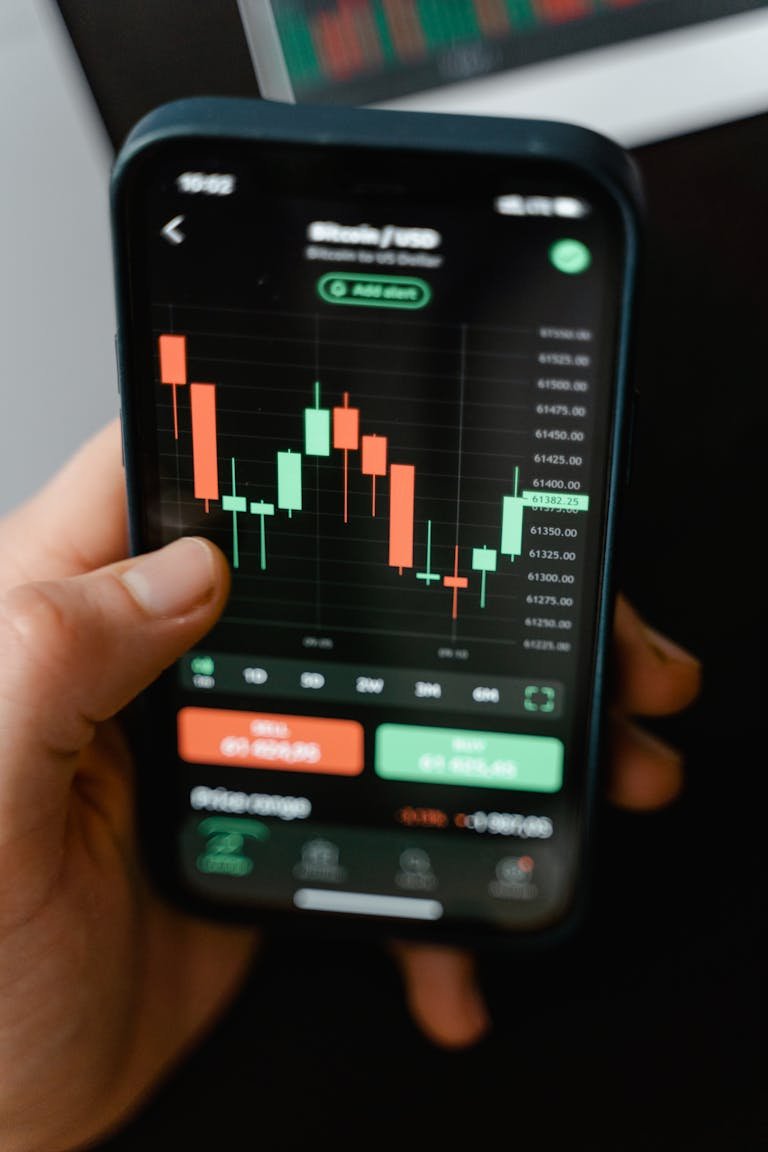

Trading 101: The 7 Steps Every Beginner Must Take Before Their First Trade
7 Steps Every Beginner Must Take Before Their First Trade
So, you’re ready to jump into trading stocks, crypto, or bonds? Great — but before you place your first order, you need a solid foundation. Most beginners lose money not because the markets are “rigged,” but because they skip the critical prep work.
Here are the seven essential steps every beginner should take before making their first trade — along with examples, tools, and mindset tips to help you succeed.
Step 1: Learn the Basics of How Markets Work
Before trading, you need to understand the mechanics: what stocks, bonds, and crypto are, how order types work (market, limit, stop-loss), and what terms like bid/ask mean. Take time to learn trading hours and how markets move.
Practical Example: Imagine you want to buy 10 shares of Apple at $180, but you only want to pay $175. You’d use a limit order to tell your broker not to buy until the price hits $175.
Quick Tool: Bookmark a free glossary of trading terms like Investopedia’s or TradingView’s education hub for quick reference.
Step 2: Choose the Right Broker or Trading Platform
Your trading platform is your cockpit — make sure it’s reliable and easy to use. Look for low commissions, a clean interface, research tools, charting features, and mobile access if you trade on the go.
Recommended Tools: Beginner-friendly platforms include Fidelity and TD Ameritrade for stocks, and eToro or Coinbase for crypto.
Step 3: Decide What Market You’ll Focus On
Don’t try to master everything at once. Choose a single market first. Stocks are great for beginners who want to invest in companies they know, ETFs and index funds offer lower risk and more diversification, and crypto can be exciting but very volatile.
Quick Tool: Use a stock screener like Yahoo Finance or Finviz to quickly filter stocks by price, sector, or performance.
Step 4: Set Your Budget (And Only Risk What You Can Afford)
Only trade with money you can afford to lose. Follow the 1% rule: never risk more than 1% of your total account on a single trade. If you have $1,000 to trade, risk no more than $10 per trade.
Practical Example: If your trade loses and you stop out at $10, you still have $990 to try again, instead of blowing up your account in one mistake.
Step 5: Learn Risk Management
Successful traders don’t just chase profits — they protect their capital. Use stop-loss orders to limit losses automatically, diversify your trades instead of going all-in, and keep a trading journal to track wins and losses so you can improve over time.
Trading Psychology Tip: Accept that losses are part of the game. The goal isn’t to win every trade but to make sure your winners are bigger than your losers over time.
Step 6: Practice with a Paper Trading Account
Paper trading means practicing with fake money on a simulator. This allows you to test strategies without risking real cash. Many brokers offer paper trading accounts — use them until you feel confident.
Quick Tool: TradingView and Thinkorswim both offer excellent paper trading platforms.
Step 7: Build a Simple Trading Plan
Before you hit “Buy,” write down your entry criteria (what signals tell you to enter), exit strategy (when you’ll take profits or cut losses), and risk per trade. A plan keeps emotions out of the equation and helps you stay disciplined.
Practical Example: A simple plan might be: “Buy when the 50-day moving average crosses above the 200-day moving average. Risk 1% per trade. Sell if price drops 2% below entry.”
Know Before You Trade
Trading is exciting, but success comes from preparation, patience, and discipline. If you take these seven steps seriously, you’ll avoid the costly mistakes that trip up most beginners.
Want to go deeper? Check out our newslettert and get tips to kickstart your journey.